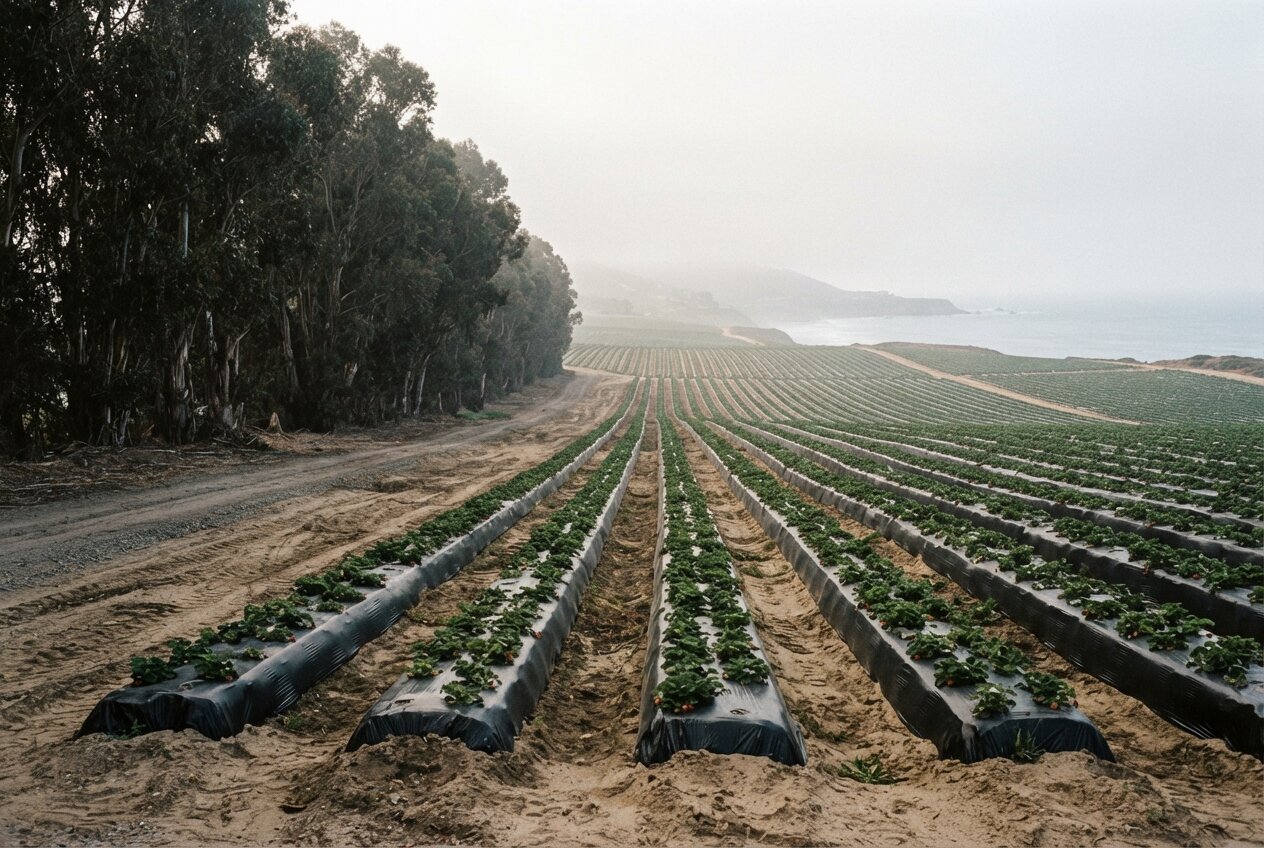
Drive up out of the valley onto the Nipomo Mesa and the ground changes under you. The soil is sand, deep and pale, blown in from the coast over thousands of years and settled into a plateau that stands nearly four hundred feet above the sea. Left alone it grows scrub and oak; planted, it grows strawberries.The farms…
Read more →Field Notes
Field Notes
Sep 7
Stone from the south bank
On the south side of Los Berros Creek the hill is made of volcanic tuff, old ash cemented into a pale stone that saws cleanly and, in its lower bed, rings when you strike it and breaks with curved glassy faces. A century ago that was worth money.The Moore quarry, owned in Arroyo Grande and leased to a Los Angeles…
Read more →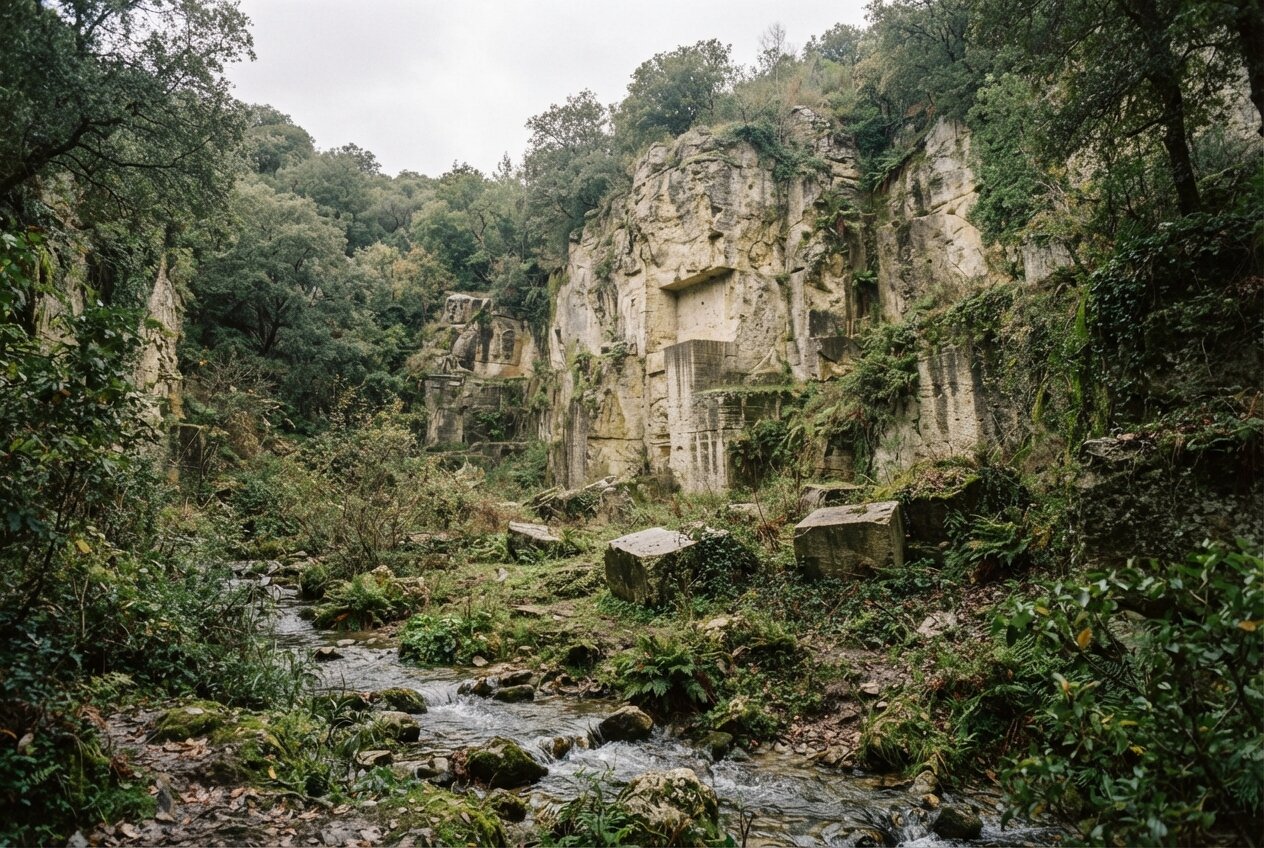
Aug 29
A spear point from the end of the ice age
Some decades ago someone in Nipomo picked up a stone spear point and kept it. When archaeologists finally examined it they found a fluted point of Monterey chert, with the long channel flakes up each face and the ground basal edges that mark the Paleoindian tradition, the same technology that Clovis hunters carried…
Read more →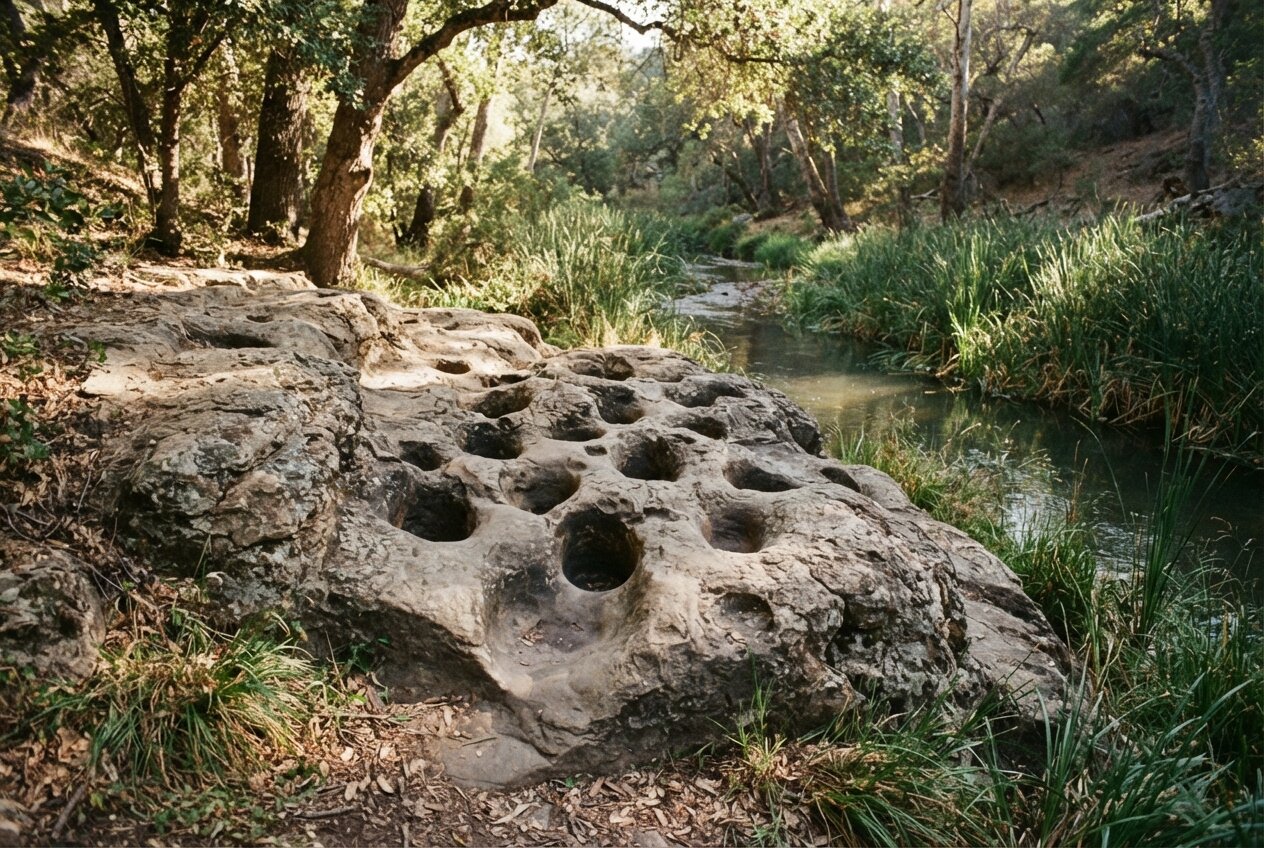
Aug 17
The stop called Berros
Timetables of the Pacific Coast Railway list it as Berros, 30.1 miles from San Luis Obispo, between Arroyo Grande and the summit on the way to Santa Maria. It was never a large stop. But a three-foot-gauge railroad running through a valley changes what the valley is for.The line reached Arroyo Grande in 1881 and Santa…
Read more →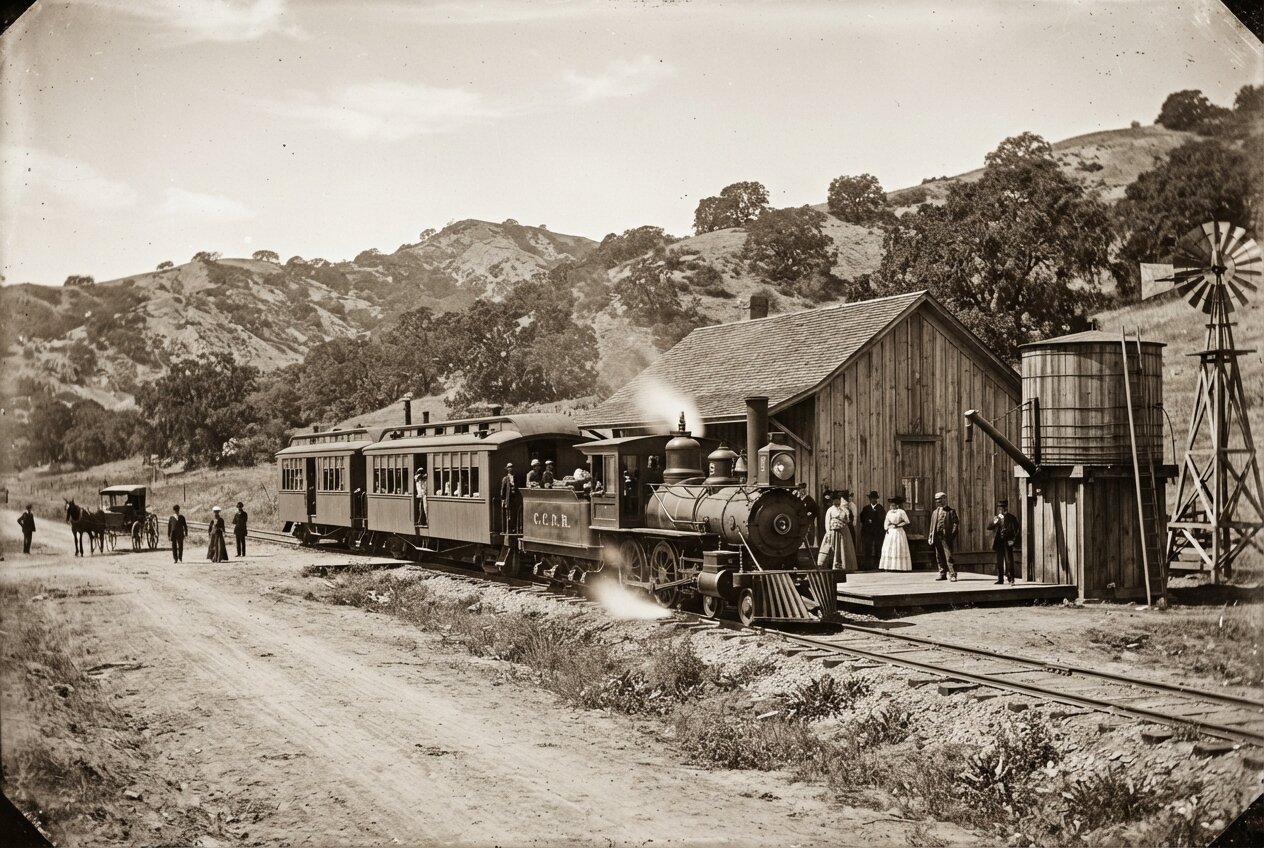
Aug 3
How the creek got its name
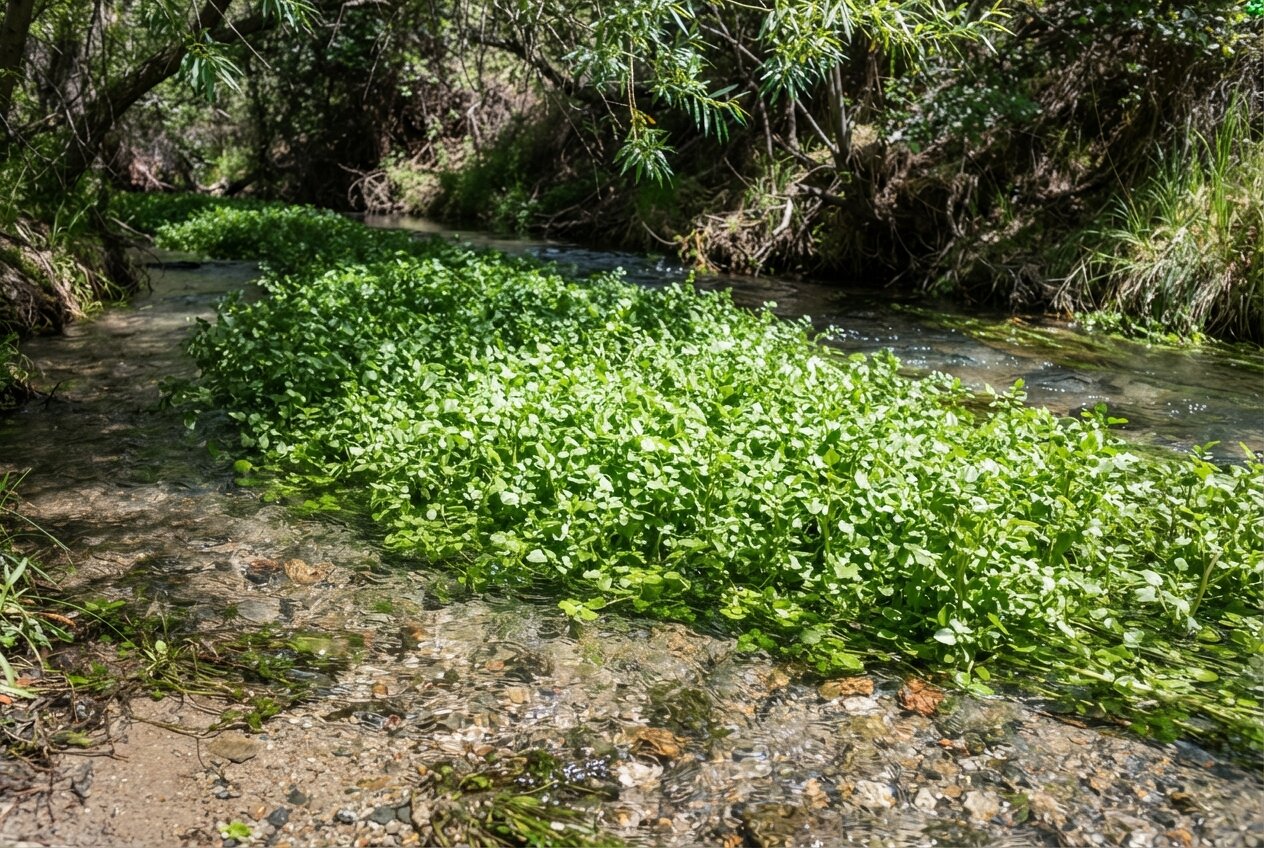
Spanish speakers on horseback named a great many California creeks for what they saw in them: Arroyo de los Sauces for willows, Arroyo Seco for nothing at all. Ours they called Los Berros, the watercresses, and it is one of the more precise names on the map.Watercress does not grow just anywhere. It wants water that…
Read more →